The Consumer Electronics Show of 2015 brought with it a plethora of new trends and ideas, but the most prevalent trend was not just displayed on the trade floor – it was brought in by the expo presenters and attendees. Wearables dominated the conference; from the smart watches to bluetooth devices to Fitbit bands, it was rare to see a participant who did not feature some sort of technology on their person.
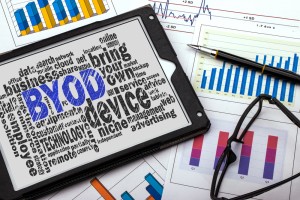
The high numbers of these devices being used only to back up the recent BYOD or bring your own device movement that has been seen in offices across the country. With 74% of organization in the United States already or planning to implement a policy that allows employees to use their own electronics while on company property and for business purposes.
However, even with many companies implementing these policies, they might not have considered what their network needs to be able to accommodate these changes. The IT department needs to consider which broadband provider is the best option to handle all of these extra devices as well as the bandwidth that will be needed to support to these connected electronics.
There are also several crucial architecture concerns that need to be answered before a BYOD policy can be put in place. For example, how many networks will the business require? Will you create one for company assets and a separate for devices or combine the two? Will you need a whole other network for guests? Does your current network support intranet or will it need to in the future?
There is also the concern of requiring added protections for each network. Each may have its own bandwidth limits that a BYOD policy can exhaust. There is also the concern of whether certain IP or web addresses should be blocked as well as how to limit employee access to certain areas of the network.
Your IT department must also take into account the physical concerns of a BYOD policy. How many routers, modems and access points will be needed for your company size and how many devices can each support?
Finally, there are the security concerns of allowing employees to bring in their own devices, such as a more secure firewall. This extra protection may include limiting certain web addresses or sites. While you can buy software to accomplish this, it can be hard to implement for personal devices. However, it is very important that all company assets and intellectual property are be protected above all else.
This is why it is crucial to consult with a legal team or networking team on constructing policies to protect the company in the case of a rogue employee. Ensure that these rules and regulations are clear and understood by all of your employees before the BYOD policy begins. Note that this device policy should not to be confused with employees who just bring in their phones; however, these regulations address phones that are connected to your network.

